

The Difference Between Tequila And Mezcal

Tequila and mezcal – the two terms are not as interchangeable as one might think. Yes, there are some similarities between the two drinks but they are most definitely not the same.
The main similarity is that these two liquors are agave-based, however, that is the end of their similarities, as there are some key differences between the two. And we’re going to explain them to you!

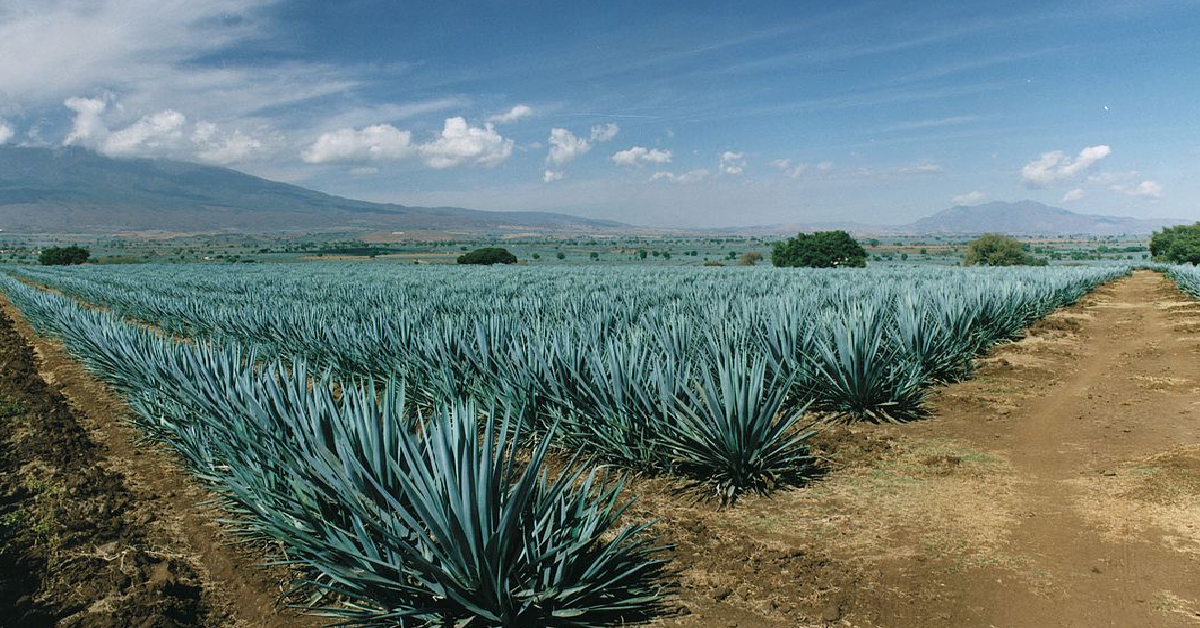
For a start, while tequila and mezcal are made from the agave plant, the type of agave plants differ. According to Food & Wine, tequila is specifically made from blue agave, while mezcal can be made from a variety of agave plants such as tobalá, tobaziche, tepeztate, arroqueño, and espadín.
Another difference is in the manner in which they’re distilled. They both use the same production process in that both drinks use the core of the agave, called the piña, but the cooking process is different.
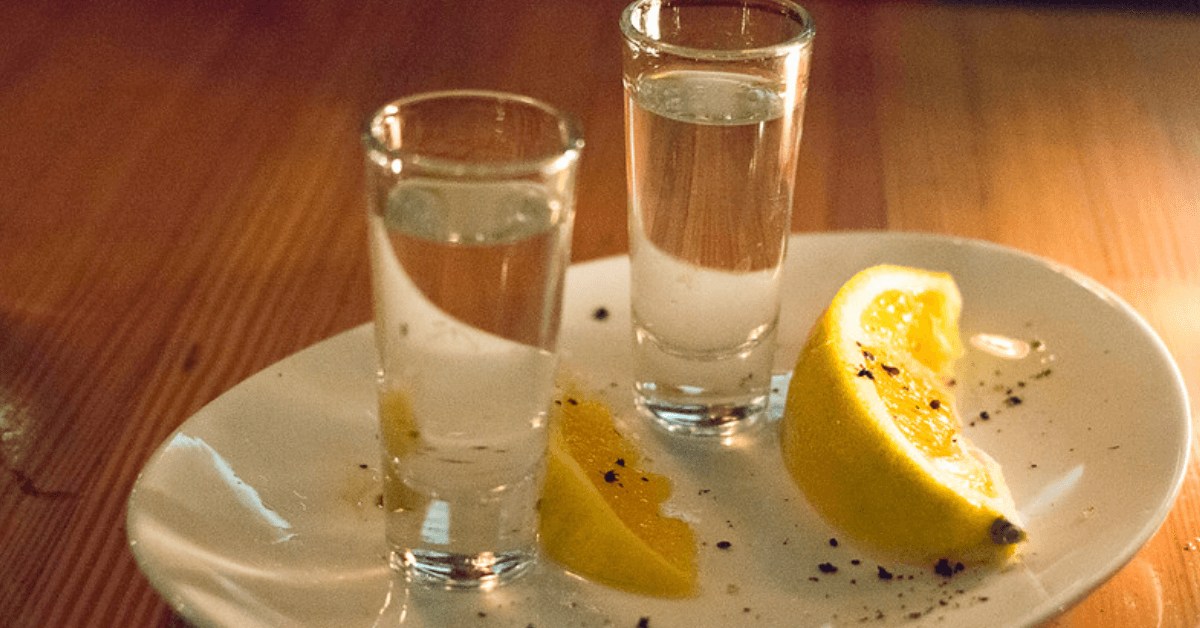
For the tequila process, the piña is cooked in industrial ovens before being shredded, fermented, then distilled in copper pots. For mezcal, the piña is cooked in an underground pit that is lined with aromatic additions like volcanic rock, charcoal, and wood. Afterward, the piña gets fermented and distilled in clay pots.
Because of these different processes, the taste profile gets affected. Tequila has a more straight-forward agave flavor that is a bit earthy. Meanwhile mezcal has a more woody, savory flavor – a result most attributed to the Espadín agave that is used. But even when it is the same agave that is used, the taste can vary from mezcal to mezcal. Not to mention across Mexico’s many regions, the cooking and fermenting processes of the mezcaleros can vary slightly.

Other differences, according to liquor delivery service Drizly, can be attributed to the regions in which the two drinks are made. Tequila is commonly found in the Jalisco, Guanajuato, Michoacán, Nayarit, and Tamaulipas regions in Mexico, while mezcal typically comes from such states as Durango, Guanajuato, Guerrero, Michoacán, Oaxaca, Puebla, San Luis Potosí, Tamaulipas, and Zacatecas.
They’re all labeled differently, using their own classification systems. Tequila comes in blanco, reposado, and añejo varieties, while mezcal’s varieties are joven, reposado, and añejo.

However, they do have one similarity in that generally speaking, the categories coincide with the aging process. Joven and blanco varieties are the shortest aged, and the añejos are the longest aged spirits.
Do you like tequila or mezcal? Did you know the differences between the two? Let us know!